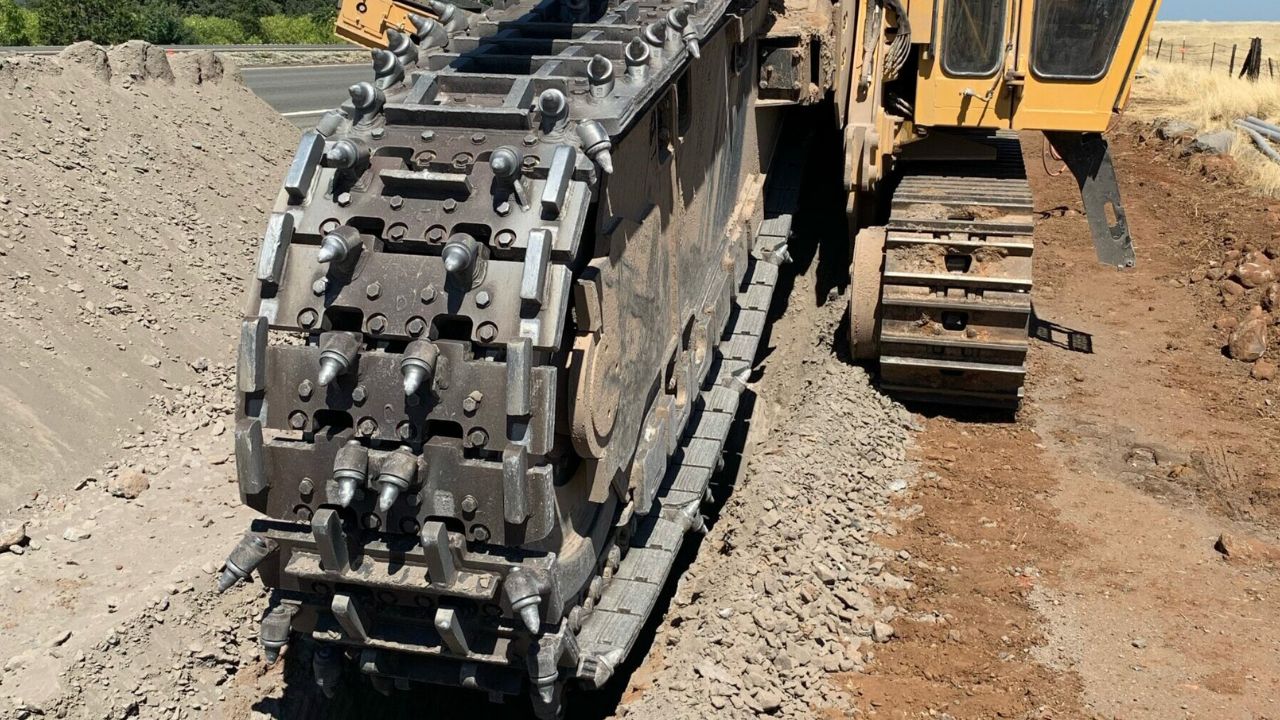
High performance in harsh ground conditions has made carbide teeth a key element in the current trenching systems. With the ongoing growth in infrastructure development in the construction, energy, telecommunications, and agricultural sectors, there is a significant increase in the necessity of having efficient and long-lasting trenching tools. The rotary teeth are made of carbide to ensure cutting efficiency and reduce wear and tear; as a result, they are required in the project where there would be hard or mixed soil conditions.
What Carbide Rotary Teeth Are and How They Function
Rotary teeth are unique cutting parts that are fitted on rotary trenching machines with carbide. They are also made out of hardened steel bodies and tungsten carbide inserts on the cutting edges. This combination enables them to resist the high effects of abrasion and impact and also remain sharp during long durations of operation.
Rotary teeth are in contrast to the stationary cutting instruments, which cut in a rotating or spinning motion. This movement enables the teeth to constantly cut and grind soil and rock as the trencher moves forward. The rotation minimizes resistance and evenly spreads cutting forces, thereby enhancing efficiency and eliminating strain on the machine. This makes trenching operations quicker, smoother, and more predictable in the hard ground conditions.
The Engineering Advantage of Carbide Material
These rotary teeth are characterized by the use of tungsten carbide. Carbide has been attributed to be extremely hard and wear-resistant and is therefore very suitable for cutting through hard materials, which contain abrasive constituents like rock, compact clay, and frozen soil. In contemporary trenching systems, the material drastically increases the life of the tools as compared to the normal steel teeth.
Carbide inserts have longer cutting edges that cut down downtimes associated with frequent changing. This longevity is especially desirable in large-scale infrastructure projects where efficiency in operation and control of costs are paramount. The stability of the rotary teeth made of carbide to resist heat and friction also guarantees constant performance when used continuously.
Role in Improving Trenching Efficiency
Carbide rotary teeth are important in enhancing the overall trenching efficiency. Their rotation enables them to get into the ground quicker, lessening the amount of energy that the machine needs to supply. This will reduce the use of fuel and mechanical wear on trenching machines.
Moreover, there is a design of rotary teeth that assists in effective soil removal. The teeth rotate, and as this happens, soil is broken down into smaller particles, and these particles are easily removed from the trench path. This minimizes clogging and creates a cleaner trench, which is critical in the precise installation of utilities like pipelines and cables.
Industrial Applications of Carbide Rotary Teeth
The versatility and reliability of carbide rotary teeth render them very prevalent in various industries. They are also applied in utility installation works to excavate water and gas pipes and electrical cables. They are also suitable for the development of urban structures due to their ability to establish accurate and uniform trenches.
These teeth are employed in foundation preparation and the installation of drainage systems in construction. They do well in mixed soil conditions where both soft soil and hard rock can be found. Their flexibility guarantees continuous development in intricate workplaces.
Carbide rotary teeth are applied in land development and irrigation trenching in agriculture. They are depended on by farmers and agricultural engineers to establish effective water distribution systems to boost crop production and soil management.
Maintenance and Operational Considerations
Carbide rotary teeth are very durable; however, the most effective way of getting maximum life out of them is to maintain them properly. Periodic checking will aid in determining wear patterns, cracks, or damage that may compromise performance. Early replacement of worn teeth will guarantee constant trenching effectiveness and avoid damaging the machine’s cutting system.
Correct machine usage is also involved in the prolongation of the tool life. The unnecessary stress on teeth can be minimized by maintaining the proper speed and not using excess force when trenching. The operators that adhere to proper usage patterns usually have a long service life and better services in general.
Conclusion
Carbide rotating teeth are an essential innovation that has been made in contemporary trenching machines, and they provide a blend of efficiency, durability, and flexibility. They are highly designed with tungsten carbide material that can be used in diverse industrial applications, which include construction and utilities, agriculture, and mining. Carbide rotary teeth will continue to be a vital part of trenching requirements as they need to be completed at a faster, cleaner, and more economical solution.