The oral care section is one of the hardest areas of a wellness retail store to make interesting. Toothpaste, mouthwash, floss — the category is functional, the products are largely commoditized, and the shopper moves through it quickly out of necessity rather than discovery. Most natural retailers accept this and treat oral care as a utility section: stock the basics, keep it organized, move on.
A smaller group of retailers has started approaching it differently. They’re using teeth whitening powder as a focal point for rebuilding what their oral care section communicates — and the results are worth understanding for anyone selling into or managing that category.
The Product’s Role Isn’t Just Sales Volume
The immediate commercial contribution of whitening powder to an oral care section is real but modest. It’s not going to outsell toothpaste by unit count. What it does at the category level is more interesting than what it does at the SKU level.
A jar of teeth whitening powder on a natural retail shelf is a signal. It tells the shopper that this oral care section is curated rather than assembled — that someone has thought about what belongs here and what doesn’t, rather than just filling shelf space with whatever the distributor offered. For a wellness retailer whose entire brand promise is curation and discovery, that signal matters.
Several independent natural retailers I’ve spoken with describe adding whitening powder as a turning point for shopper engagement in their oral care section. Not because powder sales were transformative, but because it changed how shoppers interacted with the section. People who previously walked past oral care on autopilot started stopping. They read the ingredient panels. They asked questions. The section became worth browsing rather than just worth visiting out of necessity.
How It Changes the Surrounding Assortment
One concrete effect of anchoring an oral care section around whitening powder is that it changes which other products belong there.
A conventional oral care assortment is organized around format — toothpaste here, mouthwash there, floss at the end. A section that’s organized around the clean oral care customer’s needs looks different: tooth powder, zero-waste options, fluoride-free alternatives, functional actives for sensitivity or gum health, natural mouthwash with transparent ingredient sourcing.
Retailers that have made this shift report that their per-transaction average in oral care increased because the assortment gives shoppers reasons to buy more than one item. The shopper who came for toothpaste now also picks up a whitening powder to try, or a natural mouthwash that fits the same ingredient philosophy. The section becomes a destination rather than a detour.
The whitening powder functions as a gateway product in this sense — it attracts the shopper who’s already thinking about oral care differently, and that shopper is more likely to engage with the rest of the section’s offering.
The Education Challenge and How Retailers Are Handling It
The consistent friction point for whitening powder in retail is the behavioral change it requires. A first-time buyer needs to understand how to use it, why it works, and what to expect from it. Retailers who’ve figured this out are approaching it in a few specific ways.
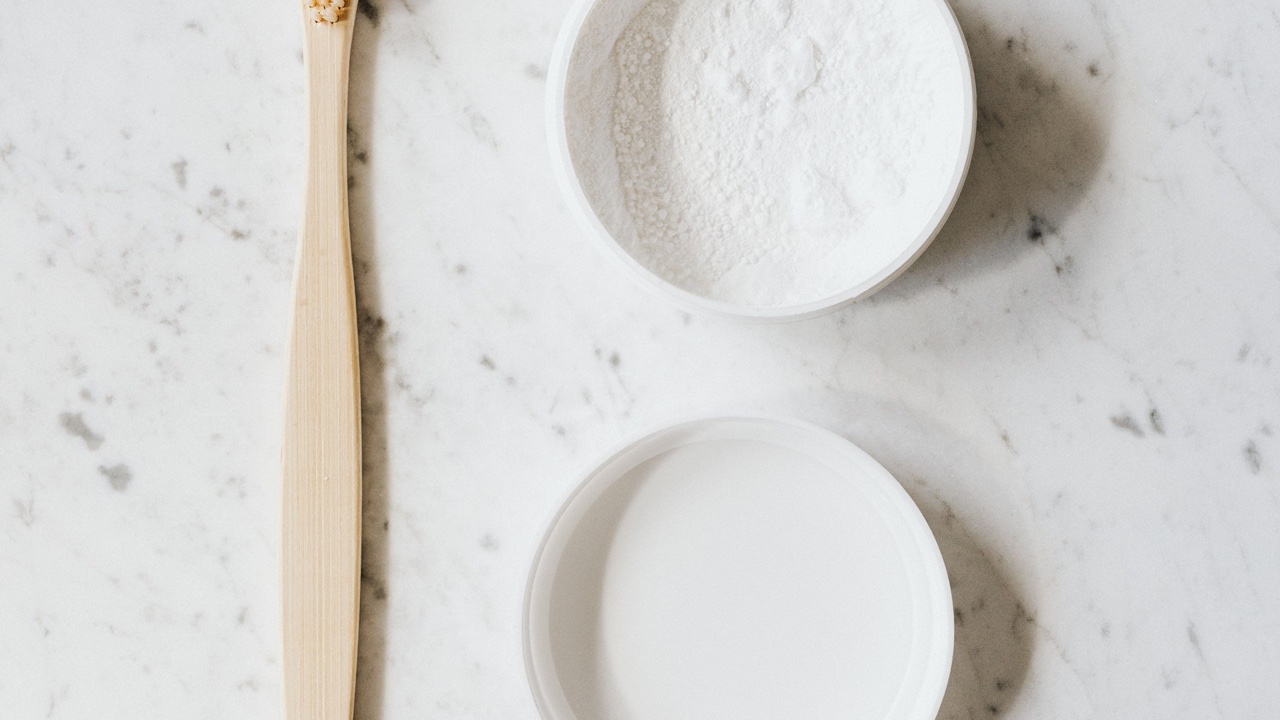
In-store signage that explains the product in a sentence or two — “Activated charcoal powder works with your existing toothbrush. Wet the bristles, dip, brush for two minutes, rinse.” — does most of the work. It removes the uncertainty about whether using powder is complicated, which is the main hesitation new buyers report.
Staff product knowledge matters more in this category than in most others. A floor staff member who’s actually tried whitening powder and can describe the experience honestly (“the texture is different at first but you get used to it by day three”) converts browsers into buyers better than any sign. Retailers who put whitening powder in their staff sample programs see meaningfully better sell-through than those who don’t.
Some retailers have added QR codes linking to usage video content, either from the brand or created in-house. The content doesn’t need to be elaborate — thirty seconds of someone showing the dipping and brushing motion answers the usage question completely.
Sourcing and Wholesale Considerations
For retailers adding whitening powder to their assortment for the first time, the sourcing questions are practical. What’s the shelf life, and how does it affect inventory management? What’s the minimum order quantity, and does it make sense given expected velocity in my store? Is the packaging format appropriate for my shelf and my customer?
The shelf life advantage of powder over paste is real — most formulations are stable for two or more years — which reduces the spoilage risk that makes some retailers hesitant to stock unfamiliar formats. Powder’s lighter weight also reduces shipping costs relative to paste at equivalent price points.
Working with a supplier who offers wholesale teeth whitening powder in retail-ready packaging — with appropriate labeling, ingredient disclosure, and usage instructions already built into the pack — simplifies the path to shelf placement. Retailers who’ve had to create their own shelf talkers or repackage product for compliance have found that friction discouraging enough to discontinue the category entirely.
What the Retailers Who’ve Done This Well Have in Common
Looking across the independent natural retailers that have built genuine traction with whitening powder in their oral care section, a few patterns emerge.
They committed to the product rather than testing it halfheartedly. A single facing, poorly positioned, without explanation, doesn’t tell you whether whitening powder can sell in your store — it tells you whether a poorly positioned product without explanation can sell, which is already known.
They connected it to the rest of their store’s identity. Whitening powder performs best in stores where the shopper already trusts the retailer’s curation. If the surrounding assortment communicates care and intentionality, the powder benefits from that credibility. If it’s surrounded by commodity products, it looks out of place.
They treated it as a category investment rather than a SKU test. The retailers who got the most out of adding whitening powder were thinking about what it did to their oral care section as a whole — not just whether that specific product covered its shelf space cost.
The section that results from that kind of thinking looks different from the standard oral care aisle. That difference is increasingly the point.